
The Link Between Rainy Winters and Pest Surges in Arizona
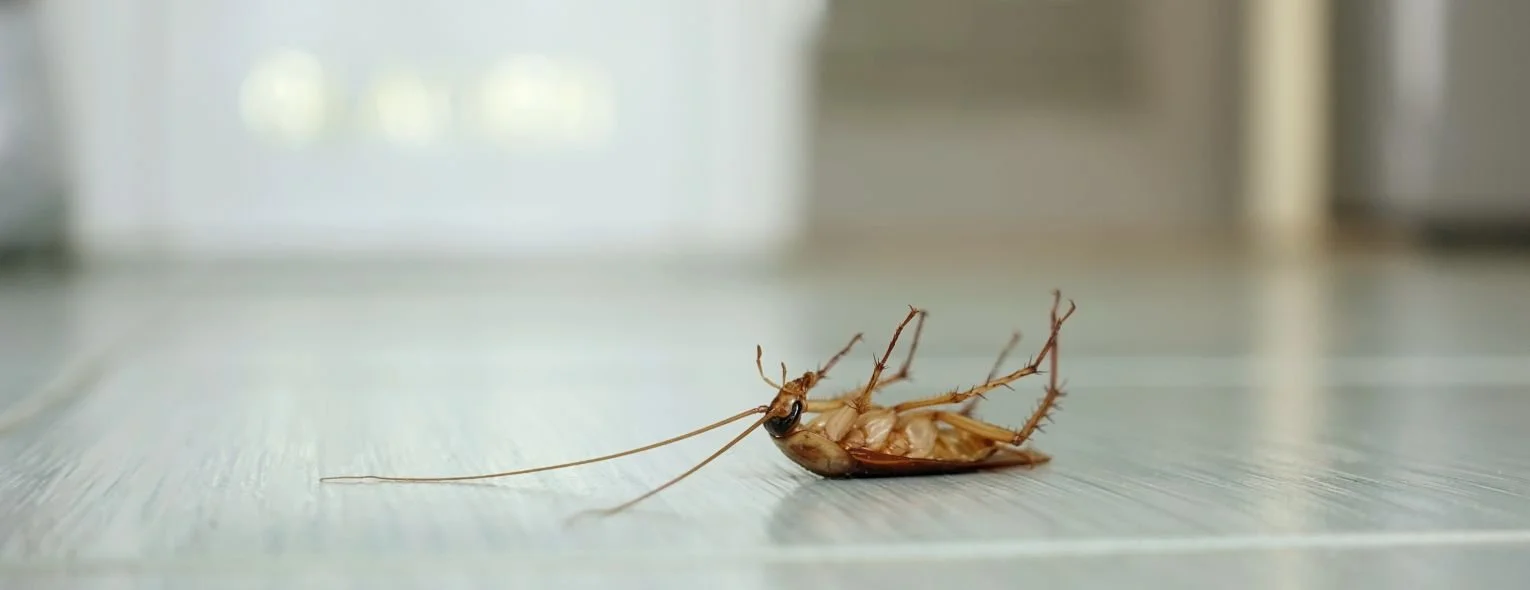
When most people think of Arizona, they picture endless sunshine, cacti, and extreme summer heat—not rainy winters. But in recent years, Arizona has experienced an increase in winter rainfall due to shifting weather patterns and stronger El Niño seasons. And while the extra moisture may feel refreshing, it comes with a hidden downside: a major spike in rainy season pests.
Understanding why wet winters trigger higher pest activity can help Arizona homeowners prepare before infestations take hold. We’ll break down how excess rain affects pest behavior, which pests thrive during Arizona’s rainy season, and what you can do now to protect your home before populations explode.
How Rainy Winters Disrupt Arizona’s Pest Cycle
Arizona’s desert climate normally limits pest activity during colder months. Dry conditions reduce food and water sources, naturally slowing down breeding cycles for many insects and rodents. But when we experience abnormally wet winters, the entire dynamic changes.
Here’s what happens when moisture increases:
Higher Humidity Brings Ideal Breeding Conditions: Many pests depend on moisture to survive and reproduce. Rain increases humidity levels in soil, wood, foundations, and landscaping, creating perfect environments for termites, ants, mosquitoes, cockroaches, and other moisture-dependent pests.
More Vegetation Means More Food Sources: Rain encourages grass, weeds, and desert plants to flourish. Increased vegetation means more food for insects and the rodents that feed on them, rapidly multiplying the pest population around homes.
Pests Move Indoors to Escape Flooding: When the ground is oversaturated, insects and rodents flee to higher, drier ground. Unfortunately for homeowners, that “safer” territory for pests like mice is often inside walls, attics, garages, and crawl spaces.
Warm Weather Follows Wet Weather: Arizona’s sunshine returns quickly after a storm cycle. Warm days + trapped ground moisture = ideal conditions for pest hatching and colony expansion.
What starts as a slow winter shift can turn into a full spring or summer infestation.
Top Pests to Expect After a Rainy Arizona Winter
Not all pests are affected the same way by changing weather. Below are the most common rainy season pests that surge after a wet winter in Arizona:
Cockroaches: Cockroaches love warm, damp environments, and rainy conditions increase their food and shelter sources. Heavy rain can also flush them out of sewers and burrows, pushing them into kitchens, bathrooms, and basements.
Ants: Moisture forces ant colonies to relocate, which is why you see sudden indoor ant trails after a storm. Carpenter ants are especially active after rain because wet wood softens, making it easier for them to tunnel and nest.
Mosquitoes: Just one inch of rain can create hundreds of mosquito breeding sites. Standing water collects in planters, gutters, patio furniture, and yard depressions. Mosquito eggs hatch quickly in warmer temperatures, leading to an explosion in population by late spring.
Rodents (Mice and Rats): Rodents seek shelter when their underground homes flood. Rain also increases plant and insect growth, giving them plenty of food to thrive. Once they get inside, they breed rapidly and can cause costly home damage.
Termites: Arizona is a termite hotspot, and damp soil accelerates termite activity. Subterranean termites, in particular, need moist ground to survive. They use wet winters to expand colonies and start eating wood structures.
Scorpions and Spiders: Rain increases insect populations, which means more prey for predators. Scorpions and spiders become more active when food sources are abundant, often entering homes to hunt.
Why DIY Methods Fail After Rainy Seasons
Many homeowners assume pests will “go away on their own” once the weather dries out. Unfortunately, that’s rarely true.
Pests reproduce during the rainy window
Moisture can remain trapped in soil, mulch, walls, and foundations for months
Many pests lay eggs that hatch when temperatures rise
Rodents and insects establish indoor nests permanently once inside
After a rainy winter, waiting too long to act is one of the biggest mistakes Arizona homeowners make. By the time you see visible signs of activity, a full infestation may already be underway out of sight.
How to Protect Your Home Before Pest Surges Begin
Here are some proactive steps to take after a wet winter:
Seal cracks, gaps, and entry points
Fix leaks, drainage issues, and standing water areas
Trim vegetation away from the home’s foundation
Store firewood and debris at least 20 feet from the house
Repair damaged window screens, door sweeps, and weather stripping
Schedule a professional pre-season pest inspection
But the most important step? Partnering with a licensed Arizona pest control company that knows how rain affects pest behavior in our climate.
Varsity Pest & Termite Control: Arizona’s Rainy Season Experts
At Varsity Pest & Termite Control, we’ve been protecting Arizona homes for over 20 years, through droughts, monsoons, and now increasingly wet winters. We don’t just treat symptoms; we look at seasonal pest patterns, soil saturation, weather forecasts, and regional activity trends to stop infestations before they get out of control.
Whether you need preventative treatments, termite monitoring, pest-proofing, or fast emergency service, our team builds a plan based on your property, your climate zone, and your risk level.
Call Varsity Pest & Termite Control today for a free inspection.
