
Roof Rats in Arizona Attics: Fall Is Peak Nesting Season
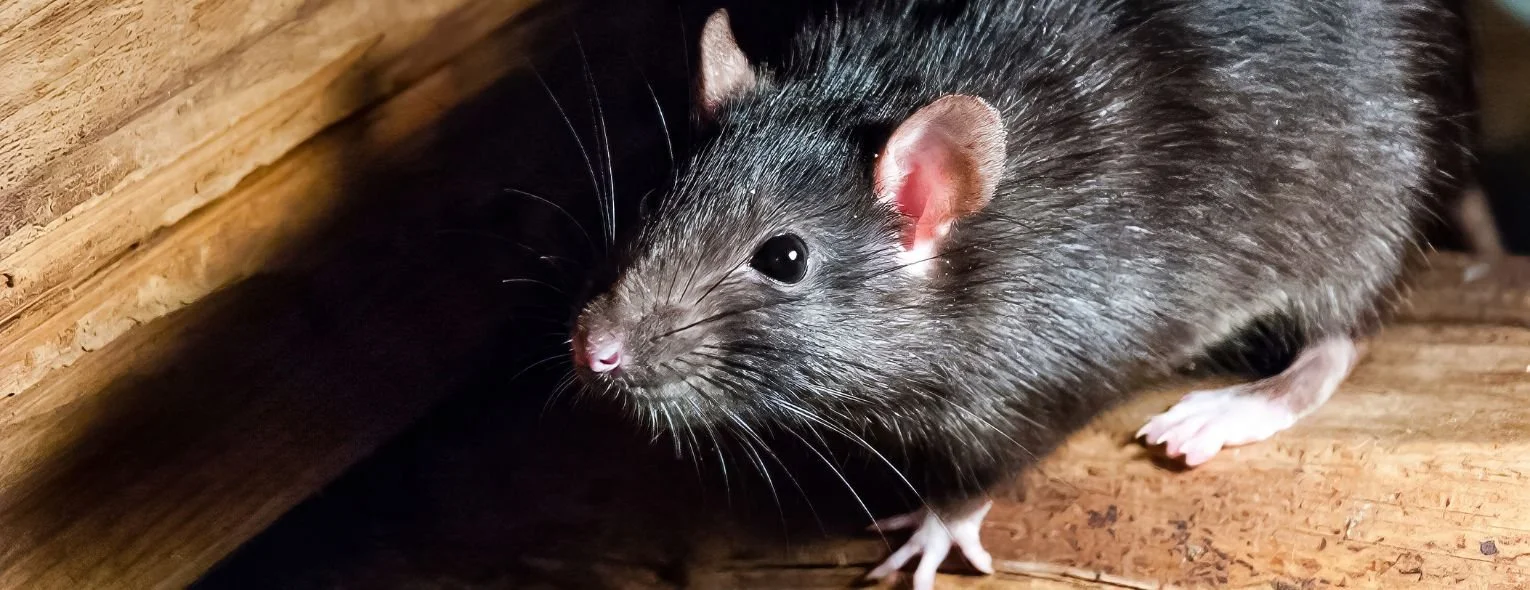
As temperatures begin to cool across Arizona, homeowners may notice something unusual happening overhead: noises coming from the attic after dark. Scratching, scurrying, chewing, or movement above the ceiling can all be signs that rodents have found a way inside.
Fall is an especially important time to watch for roof rat activity. These rodents seek out warm, protected spaces as temperatures change, and Arizona homes can provide everything they need, including shelter, food, and easy access to citrus trees.
If you've started hearing noises in your attic at night or discovered droppings around your property, it may be time to look more closely.
Why Roof Rats Move Into Attics in the Fall
Roof rats are excellent climbers and can reach homes through trees, utility lines, roofs, and other elevated pathways. Once they find a small opening, they can make their way into attics, wall voids, garages, and other protected areas.
Fall can bring increased rodent activity around homes as temperatures become more comfortable outside but cooler overnight. An attic provides protection from weather, predators, and temperature changes, making it an attractive nesting location.
Arizona's residential landscaping can also contribute to the problem. Citrus trees are particularly important because roof rats are attracted to fruit. Orange, lemon, grapefruit, and other citrus growing near a home can provide an easily accessible food source, especially when fruit is left on the tree or falls to the ground.
Citrus Trees Can Attract Roof Rats
If you have citrus trees in your yard, they deserve some extra attention during the fall and winter months.
Roof rats are known to feed on citrus and can use trees as a pathway to reach the roof. From there, they may find gaps around rooflines, vents, utility penetrations, or other openings that lead into the attic.
Look for signs such as:
Chewed or partially eaten fruit
Fruit disappearing overnight
Droppings beneath citrus trees
Gnaw marks on fruit or branches
Rodent activity around the roofline
Keeping fallen fruit picked up and trimming branches away from the roof can reduce some of the opportunities for rodents to reach your home. However, landscaping changes alone won't solve an existing infestation if rats have already established a nesting area.
How to Tell If You Have Roof Rats in the Attic
Because roof rats are primarily active at night, homeowners may never see them directly. Instead, they often notice evidence of activity.
One of the most common signs is nighttime noise. Scratching or scurrying above ceilings may become noticeable after the household goes quiet. You may also hear gnawing as rodents chew on wood, insulation, or other materials.
Other warning signs include:
Small, dark rodent droppings in the attic
Nesting material made from insulation, paper, or other debris
Chewed wires or other materials
Grease or rub marks along frequently traveled areas
Unusual odors
Damage around roof or attic entry points
Droppings are particularly important to take seriously. If you find them, avoid disturbing or sweeping them up until you know what you're dealing with. A pest professional can help determine whether the evidence points to an active rodent infestation.
Why Rodent Problems Can Get Worse Quickly
A roof rat inside an attic is more than an occasional nuisance. Once rodents find a protected location with reliable access to food and water, they may continue returning to the same property.
They can also cause damage while nesting and moving through the structure. Gnawing can affect wiring and other materials, while nesting and droppings can create sanitation concerns.
The longer rodents have access to an attic, the more difficult it can become to address the underlying problem. That's why recognizing the early signs of activity is so important.
What Professional Roof Rat Removal Involves
Getting rid of roof rats isn't simply a matter of placing a trap in the attic. Effective rodent control starts by determining how the animals are getting into the home and where they are active.
A professional inspection can help identify:
Current rodent entry points
Areas where rats are nesting or traveling
Conditions attracting rodents to the property
Damage caused by existing activity
Potential access points that need to be sealed
Once the activity has been addressed, exclusion becomes an important part of the process. Sealing gaps and openings around the roofline and other vulnerable areas helps prevent rodents from simply returning after removal.
This combination of removal and exclusion is a key part of effective roof rat control in Phoenix, AZ and throughout the surrounding Valley.
Don't Forget About the Mesa Area
Roof rat problems aren't limited to Phoenix. Homes throughout the East Valley can experience similar issues, particularly where mature landscaping and citrus trees provide food and easy access to rooftops.
If you're hearing activity in an attic or finding evidence of rodents around your home, professional rodent control in Mesa, AZ can help identify the source of the problem and determine what needs to be done to keep rodents from getting back inside.
Whether you live in Phoenix, Mesa, or another Arizona community, addressing the conditions attracting rodents is just as important as removing the animals themselves.
Protect Your Attic Before Rodents Settle In
Fall is an important time to pay attention to unusual activity around your home. If you've noticed nighttime scratching, unexplained droppings, damaged fruit, or signs of nesting, don't assume the problem will disappear when temperatures change again.
Roof rats can settle into attics and remain active long after homeowners first notice them. Addressing the problem early can help reduce property damage and prevent a small rodent issue from becoming a much larger infestation.
Keep Rodents Out Before They Nest
If you suspect roof rats have made their way into your attic, Varsity Pest and Termite Control can help identify the source of the activity and determine the appropriate next steps. Professional rodent removal, combined with sealing vulnerable entry points, can help protect your attic and reduce the likelihood of rodents returning.
Don't wait for nighttime noises to become a bigger problem. Contact Varsity Pest and Termite Control to learn more about roof rat control in Phoenix, AZ, rodent control in Mesa, AZ, and solutions designed to keep Arizona homes protected.
