
Must-Know Scorpion Facts for Arizona Homeowners
Living in Arizona has its perks, including sunny skies, stunning desert views, and a strong sense of community. But if you're a homeowner in Mesa, there's one desert dweller you’d rather not share your home with: scorpions.
Scorpions are more than a nuisance. Some species, particularly the Arizona bark scorpion, pose real health risks to you, your children, and your pets. Their stings can lead to painful symptoms, allergic reactions, or even hospital visits in rare cases.
If you’ve seen one scorpion around your home, chances are there are more nearby. That’s why understanding these pests and how to deal with them is so important. Below, we break down the must-know facts about Mesa’s most common scorpions and what you can do to protect your home with expert scorpion removal in Mesa, AZ.
Meet the 4 Common Scorpions in Mesa, AZ
1. Arizona Bark Scorpion
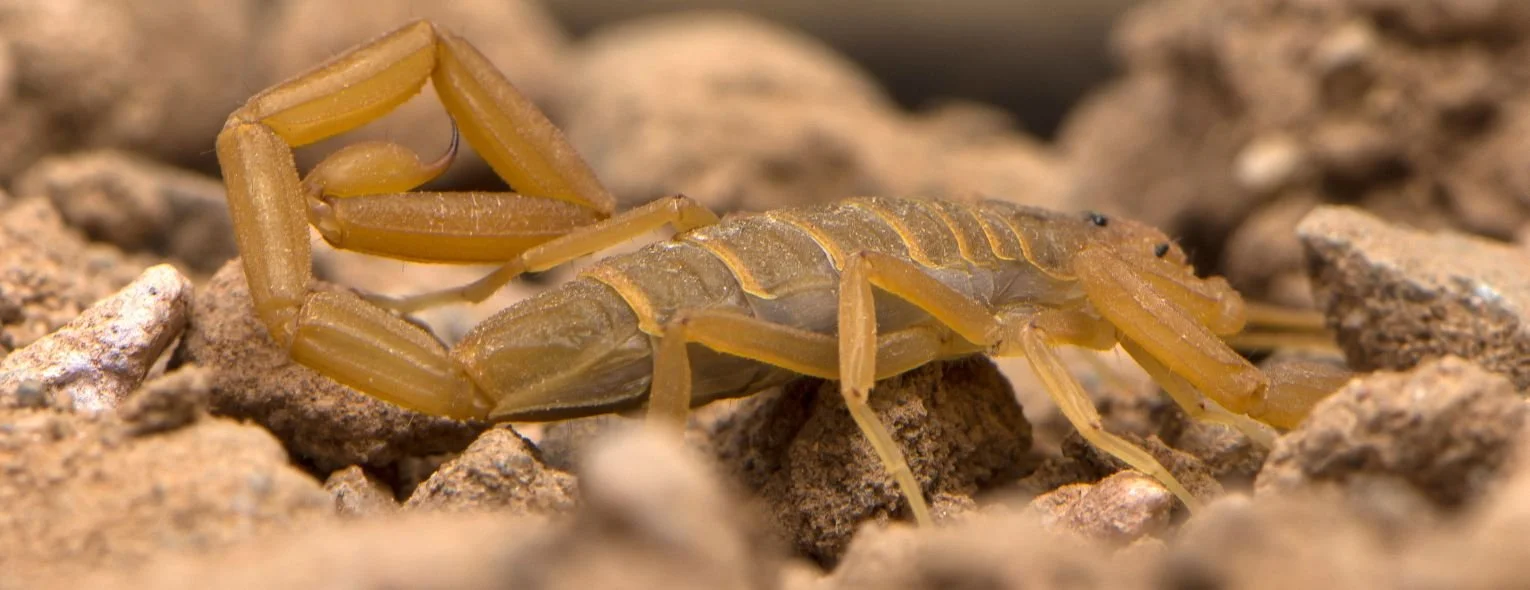
The Arizona bark scorpion is the most venomous in the U.S., and it’s also the most common one found in Mesa neighborhoods. It’s small (about 2.5 inches), tan to light brown, with narrow pincers and a thin tail. These scorpions are nocturnal and thrive in dark, cool, and damp spaces.
Their venom can cause:
Intense pain or burning sensation
Numbness or tingling
Difficulty breathing or swallowing (in severe cases)
Muscle twitching or convulsions
Children, the elderly, and individuals with compromised immune systems are especially at risk. Because they can climb walls and ceilings, bark scorpions often find their way into attics, closets, and bathrooms. If you’ve spotted one, don’t wait. Contact an experienced exterminator in Mesa, AZ, who knows how to handle bark scorpions with precision and care.
2. Stripe-Tailed Scorpion
Also known as the "devil scorpion," the stripe-tailed scorpion has a dark brown or tan body with noticeable dark stripes along its tail. Its sting is painful but generally not medically dangerous. These scorpions are often found hiding under rocks, woodpiles, or in wall voids and crawlspaces. They’re more aggressive than other species and often mistaken for bark scorpions due to their similar size.
3. Giant Hairy Scorpion
The giant hairy scorpion is the largest species in Arizona, reaching up to 6 inches in length! Despite its intimidating size and appearance, its sting is relatively mild and comparable to a bee sting. These scorpions prefer remote desert areas, but they may wander onto properties bordering undeveloped land. They’re easily identified by their hairy legs and darker coloring.
4. Yellow Ground Scorpion
This species is most commonly found in sandy or loose soil, especially in yards, construction zones, and near landscaping features. It’s frequently mistaken for the bark scorpion due to its pale yellow coloring. Fortunately, its venom is not nearly as dangerous, but its sting can still be painful. Like others, it is nocturnal and reclusive.
Why Scorpions Love Mesa Homes
Mesa’s climate provides the perfect environment for scorpions. They’re attracted to moisture, food sources (like insects), and cool hiding spots. During the summer and early fall, when temperatures are at their peak, scorpions are more likely to venture indoors seeking relief from the heat.
They can enter your home through:
Cracks in foundations or walls
Gaps around doors and windows
Vents and utility lines
Unsealed weep holes or rooflines
Once inside, they may hide in:
Laundry piles
Shoes and clothing
Under sinks or behind toilets
Cabinets and baseboards
Attics and crawlspaces
Proper sealing and ongoing pest control are key to keeping them out.
Signs You Might Have a Scorpion Problem
Scorpions are nocturnal and elusive, but there are still signs that may indicate an infestation:
Nighttime sightings using a UV blacklight (scorpions glow under UV light)
Multiple scorpions spotted in a short time frame
Baby scorpions (suggesting breeding activity nearby)
Increased spider or insect activity (their food source)
Stings or close encounters inside your home or garage
If any of these sound familiar, it’s time to act fast. A proactive approach is always safer than waiting for an emergency.
How to Prevent Scorpions in Your Home
While no solution is 100% scorpion-proof, there are steps you can take to minimize your risk:
Seal cracks and crevices in the foundation, windows, and doors
Install door sweeps and weather stripping
Eliminate clutter in yards, garages, and storage areas
Trim back vegetation touching your home
Remove debris like woodpiles, rocks, and bricks from around your foundation
Keep outdoor lights to a minimum at night. They attract insects, which attract scorpions
Use yellow "bug lights" to reduce insect activity near entrances
However, for long-term protection, nothing beats professional pest control.
Why Professional Scorpion Removal Is a Must
Scorpions are incredibly tough pests. They can live for months without food and survive extreme temperatures. Over-the-counter sprays may kill on contact, but they won’t eliminate nests or prevent future problems.
At Varsity Pest and Termite Control, we specialize in comprehensive scorpion removal in Mesa, AZ, using proven methods that work. With years of experience handling Mesa’s toughest pests, our team is trained to deal with all major scorpion species found in the region. We customize our approach based on your home’s unique vulnerabilities.
Call the Best Pest Control Company in Mesa, AZ Today
Scorpions are a real issue for Arizona homeowners. Whether you’ve had a close call or just want to prevent a future infestation, Varsity Pest and Termite Control is here to help. Call us now to schedule a free inspection and find out why Mesa families trust us for expert scorpion removal and year-round pest protection.
