
Rodent Control in Chandler, Arizona
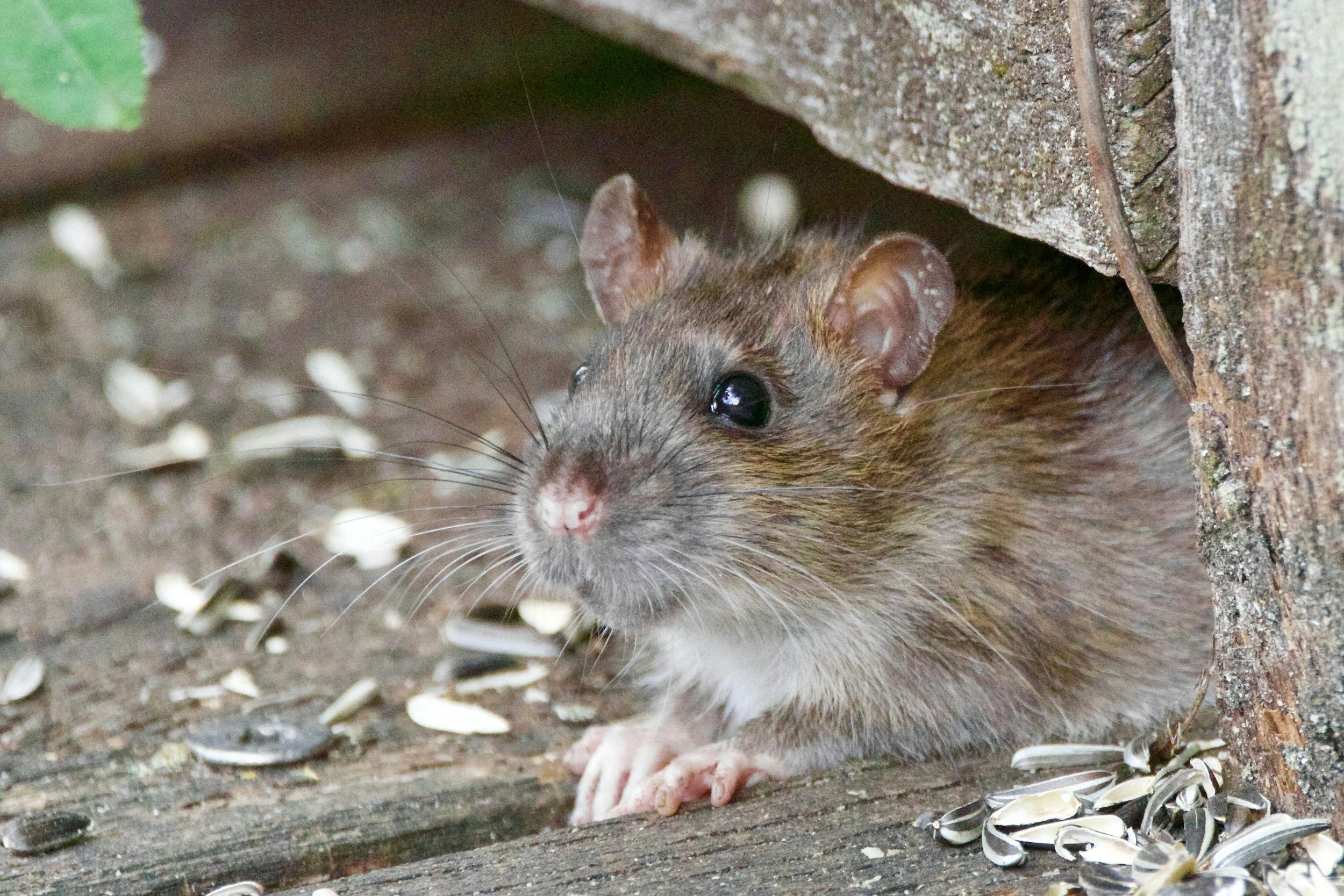
Chandler’s mix of mature landscaping, lakes, irrigation, and growing neighborhoods makes it a great place to live. Unfortunately, rodents like it here too. Roof rats travel along power lines and block walls in established neighborhoods near downtown. Pack rats are more common near open deserts and on the edges of the city, while house mice can slip into almost any home through a small gap beneath a garage door or around a utility line.
Varsity Termite and Pest Control has provided rodent control in Chandler and throughout the East Valley for more than 20 years. Because rodents look for food, water, and shelter in every season, rodent control in Chandler is a year-round need.

Where Do Chandler Rodents Actually Come From?
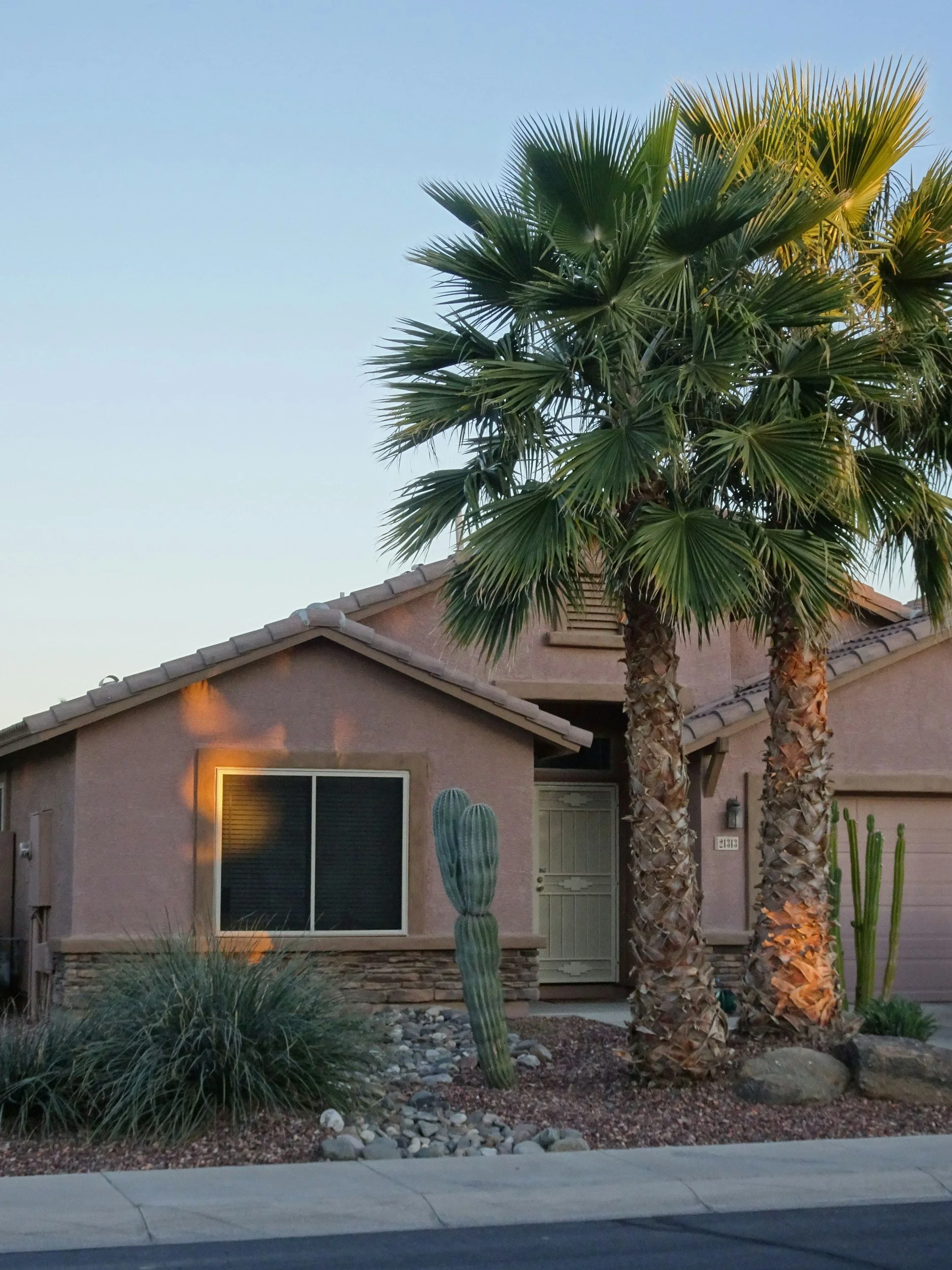
Rodents can enter Chandler neighborhoods from several different environments. Lake communities such as Ocotillo, The Lakes at Ocotillo, and Fulton Ranch have shoreline vegetation, green spaces, and irrigation that provide rodents with reliable food, water, and shelter, even during the hottest months.
In older central Chandler neighborhoods, mature citrus and olive trees are a major attraction for roof rats. Fruit left on the tree or ground gives them an easy food source, while block walls and tree branches help them move between yards.
Pack rats and field mice are more common along the southern and eastern edges of Chandler, where subdivisions meet farmland or open desert. When a nearby field is cut, land is cleared, or new construction begins, rodents do not simply disappear. They look for a new place to nest, which often means moving into nearby garages, sheds, RV storage areas, and homes.
What’s That Scratching Sound in My Attic?
In Chandler, scratching in the attic is often a sign of roof rats. These nocturnal rodents are excellent climbers and commonly enter homes through lifted roof tiles, unscreened attic vents, openings around the eaves, or gaps where a patio cover meets the roofline.
Once inside, an attic gives roof rats a quiet place to nest, insulation for shelter, and plenty of materials to chew. Scratching, scurrying, or light thumping between dusk and dawn is one of the most common signs of roof rat activity.
Mice inside the walls may sound lighter and move more quickly. Pack rats are often louder and are more likely to nest closer to ground level in garages, sheds, crawl spaces, or outdoor equipment. Knowing which rodent is present matters because roof rats, pack rats, and mice require different control methods. That is why our rodent inspection begins with identifying the species before traps or bait stations are placed.
Read More: Essential Tips to Keep Roof Rats Out of Your Home

Do Rodents Go Away on Their Own in Summer?
No. Chandler's rodents don't leave in the heat; they move in with you. Indoor rodent activity often climbs in the summer, because a 115-degree week does to a rat exactly what it does to you and sends it looking for shade and water.
During extreme summer heat, attics, wall voids, garages, and shaded areas around the foundation can provide shelter. Leaking irrigation, pet water bowls, pool equipment, and condensation from air-conditioning systems may also give rodents the water they need to stay nearby.
The other seasonal spike is fall, when nighttime temperatures drop and rodents establish winter nesting sites. Homeowners who try to wait out a Chandler summer usually end up with a larger, better-established rodent colony by October. Fall is the prime exclusion season for exactly that reason.

What Does Professional Rodent Control Include?
Everything DIY trapping skips. The goal is to determine which rodents are present, remove the current activity, and help prevent new rodents from entering.
Our Chandler rodent control process may include:
Inspecting the roofline, attic, garage, block walls, gates, vents, door seals, utility openings, fruit trees, and outbuildings
Identifying the rodent species, nesting areas, travel routes, and possible entry points
Placing traps or tamper-resistant bait stations in areas where rodents are active
Sealing accessible openings with rodent-resistant materials when exclusion is included in the service
Screening appropriate vents and addressing gaps around doors, pipes, and utility lines
Providing cleanup and sanitation recommendations for droppings, urine, nesting materials, and food sources
After the inspection, we explain what we found and provide a clear quote based on your property and the work needed.
Is a Few Mice Really Worth a Service Call?
A few mice can quickly become a much larger problem. Rodents reproduce rapidly, especially when they have steady access to food, water, and a protected nesting area. By the time you see one mouse in the garage or kitchen, there may already be more hiding nearby.
The potential damage is another reason to act early. Rodents may chew attic wiring, damage insulation, contaminate storage and living areas, and bring fleas, ticks, and other health concerns onto the property. Chewed electrical wiring can also create a serious fire risk.
Chandler homes can face additional problems when rodents chew through drip irrigation tubing, pool equipment cables, or vehicle wiring. In lake communities and heavily irrigated neighborhoods, moist soil and dense vegetation may give rodents even more places to hide near the foundation. A professional rodent inspection can help you address a small problem before it turns into an expensive repair.


Why Choose Varsity for Chandler Rodent Control?
Rodent control works best when it is based on what is actually happening at your home. Varsity begins with an inspection to identify the rodent, locate entry points, and recommend the right solution. With more than 20 years of experience in Chandler and the East Valley, our licensed and insured team is ready to help. Schedule your free rodent inspection today.